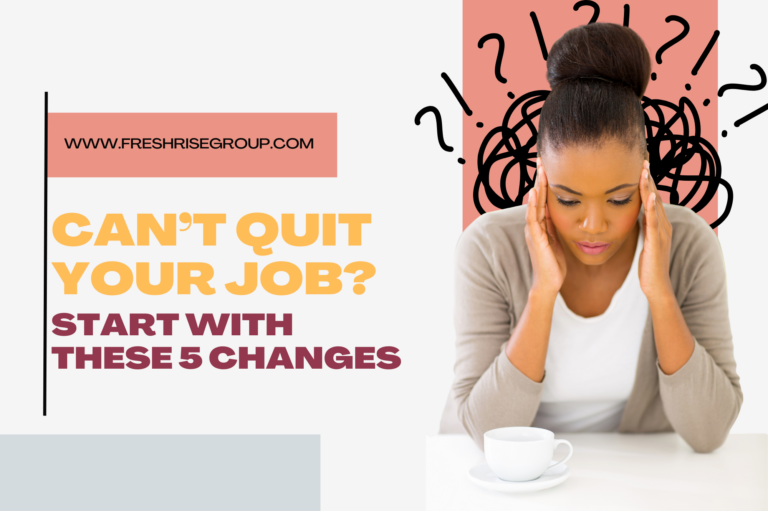

Stop Arguing with the Dashboard: How to Recognize Burnout Warning Lights
Most of us have owned a car that was reaching its “point of no return”. It technically still did its job—getting you from point A to B and handling the school pickups—but it was trying to tell you something. There were subtle new sounds every week, strange smells, and a warning light on the dashboard that eventually stayed on constantly.
Because it was technically still functioning, you kept driving it. But the mental load of wondering when it would finally break down was always there, too.
Our emotional well-being works exactly like that old car. The signs that something is wrong rarely begin with a total collapse. Instead, they are subtle signals impacting our bodies, moods, and energy levels that we eventually start to treat as the “norm.”
The “Functioning” Trap
As a mid-career woman, you are likely juggling multiple “lanes” of responsibility: leadership, parenting, household management, and caregiving. Because you are still showing up and tracking the schedule, everyone else assumes you are fine.
You might call it “just being busy,” but if you slowed down, you would see the warning lights. We often ignore them because listening to ourselves feels “expensive”—a cost in time, money, or the frustration of admitting that our current pace isn’t sustainable.
How to Know When Your Warning Lights Are On
The body keeps score, and it usually notices the strain before our brains do. Keep an eye out for these indicators:
Physical Warnings: Muscle tightness in your neck and shoulders, sleep disruption, a racing heart, or chronic migraines
Cognitive Warnings: Difficulty concentrating, forgetting why you walked into a room, or struggling to describe a simple process to a colleague
Emotional Dysregulation: Waking up already tense and annoyed, losing patience with those you love most, or having a tendency to critique everyone around you
3 Steps to Reclaim Your Well-being
The goal isn’t to blow up your whole life; it is to listen in and solve the actual issues using your own internal wisdom. Here is how to start:
- Listen In
Stop the car for five minutes before you walk into your house or open your laptop. Observe your own life without judgment and ask: What warning light is flashing the brightest right now? - Perform a Brain Dump
Your brain was not designed for permanent storage; it has a limited working memory. Take three minutes to get the alarms out of your head and onto paper. List the physical symptoms, the cognitive distress, and the worries that keep circulating. - Use Your Autonomy
Look at your list and identify which of these lights you have some control over fixing or improving. Looking for where you have autonomy is how you take back your well-being. When you get back into a state of “choice,” everything feels more empowering.
The Bottom Line: Stop Arguing with the Dashboard
You are still running, but you are not running well. The invitation today is to stop ignoring the information your body and mind are giving you and start creating the space you need to recover.
This week, ask yourself:
How is it serving me to ignore my own maintenance?
Make sure you aren’t benefiting in some way by always putting yourself last. Maybe you’re afraid to try something new, or maybe being the “reliable helper” has become an attention trap. All of this serves a purpose, but at a giant cost to your well-being.
Repairs happen when we stop the motion long enough to hear ourselves.
Are you ready to find some breathing room?
Download the free guide: 25 Practical Boundaries for Work, Home, and Chaotic Times. This resource is designed to help you protect your energy in the middle of the messiness.
Download the Boundaries Guide Here: https://learn.freshrisegroup.com/boundaries-for-chaotic-times
Sarah Rose is a workplace well-being coach, recovering over-worker, married mother of 2, and founder of Fresh Rise Group. She helps maxed-out mid-career women who are juggling approximately 47 roles (but only getting paid for one or two) reclaim their energy, boundaries, and confidence without quitting their entire lives. A former “good girl” turned possibility pusher, Sarah challenges long-held beliefs about productivity and being good, but also teaches quick, doable strategies that work even on days when your brain feels like mush.